A Lodge gathering begins long before the first guest arrives. Someone buys supplies. Someone prepares the building. Volunteers give their time, and someone keeps track of the expenses. The welcome our guests receive depends on that work being done well.
Stewardship means taking care of what has been entrusted to us: our funds, our building, our time, and the confidence of our Brethren and neighbors. Every one of those deserves attention.
Give the money a purpose
A useful budget connects what we spend with the work we intend to do. Keeping the lights on, maintaining the building, supporting fellowship, and making room for service all require planning. Before taking on a new project, we should understand its full cost and how it fits with responsibilities already on the calendar.
Working within our means helps us keep our promises. A worthwhile idea may need to start small, wait for more information, or be carried out in stages. There is good judgment in choosing a project we can finish and sustain.
Make the records understandable
Clear records help the Brethren follow the work. Keep the receipts, document approvals, record income and expenses, and explain changes in language people can understand. A report should help someone see what came in, what went out, and what still needs attention.
Questions deserve a patient answer. When people can understand a decision, they are better able to contribute to the next one. Private information about a Brother or a family receiving assistance still deserves care.
Care for the building that welcomes people
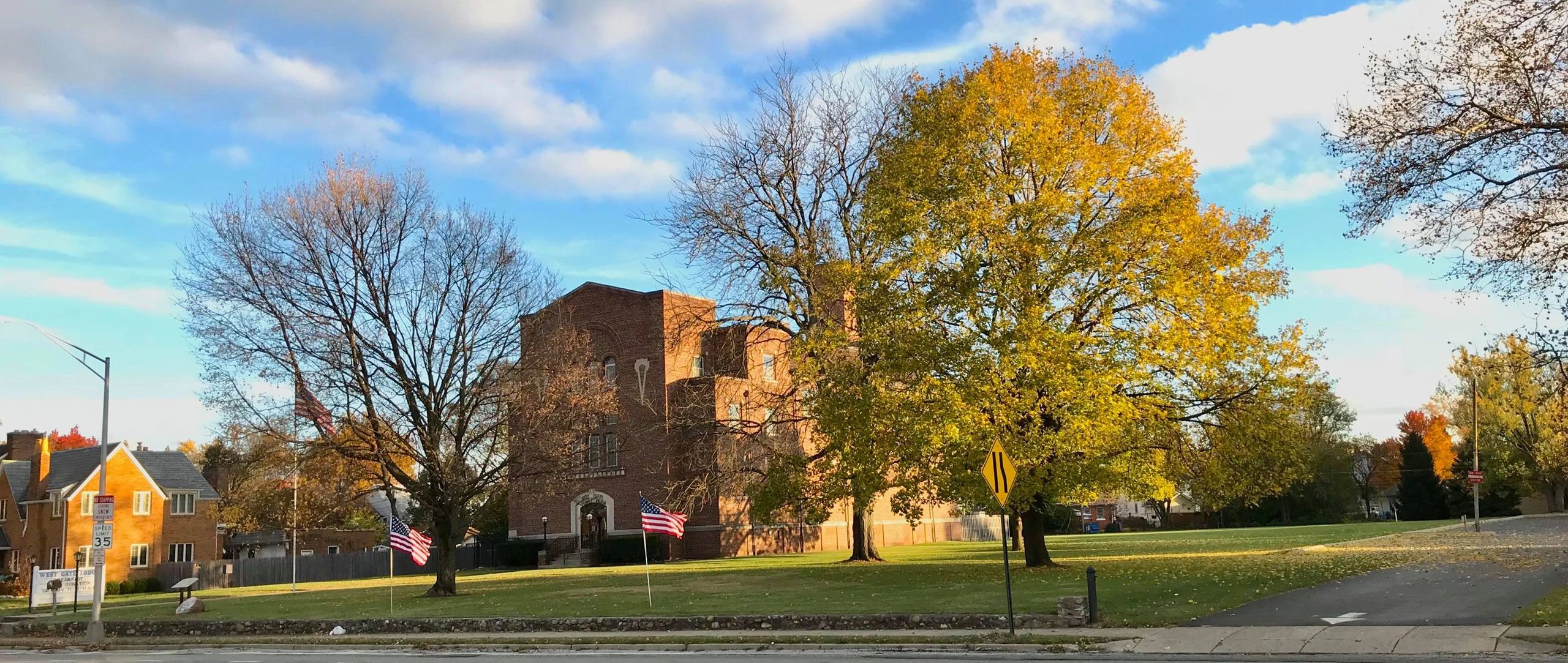
Our building is a place to meet, share a meal, and work together. Routine upkeep and planning for future needs help protect that purpose. Addressing a small problem early can also give the Lodge more choices than waiting until it becomes urgent.
Good planning considers how people use the space. A welcoming entrance, clear information about access, and a clean place to gather all affect the experience of a first-time visitor.
Listen before deciding how to help
The community has a voice in what useful service looks like. A conversation with a Hilltop neighbor, a local organizer, or a family at a community event may reveal a need we had not considered. Ask what help is wanted, what is already being done, and whether we have the people and resources to follow through.
Service may involve funds, but it can also involve time, practical skills, or making an introduction. The right contribution begins with understanding the need.
Leave the next person ready
Leadership also means preparing someone else to carry the work forward. Organized records, written steps, and time spent explaining a task make a transition easier. Invite another Brother to learn the work before the day he is asked to take it over.
We strengthen West Gate when the knowledge of how things work is shared. The next officer or volunteer should have a clear place to begin.
A practical question for every project: Can we explain its purpose, meet its cost, and follow through for the people counting on us?
An editorial reflection on leadership and service.